

Canton POS
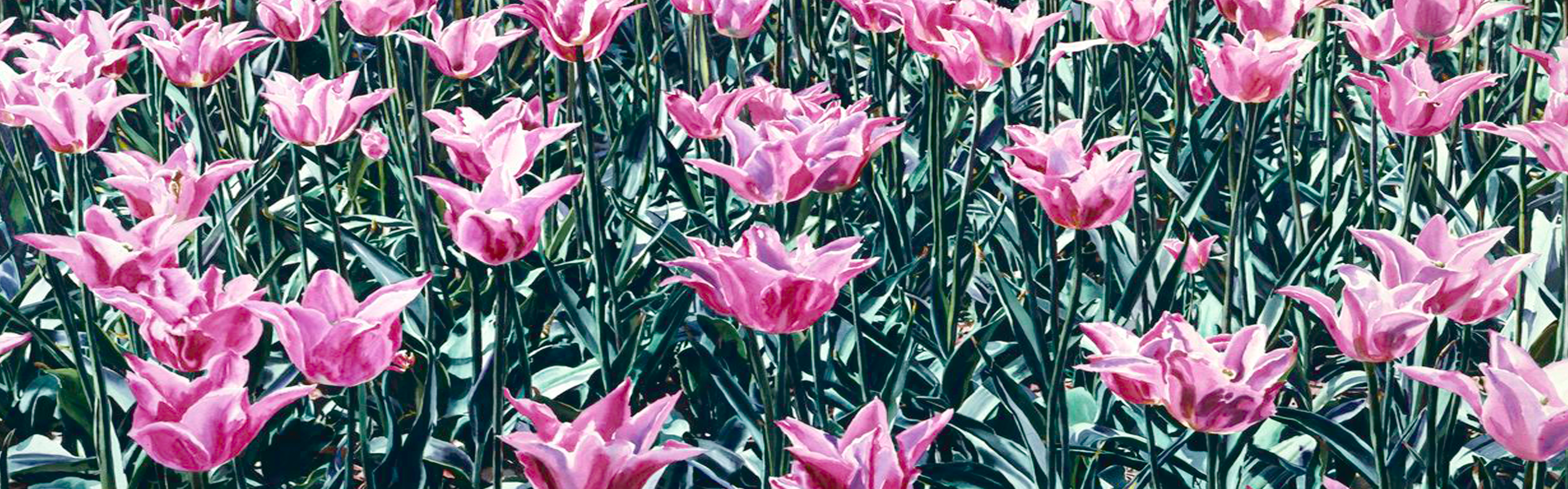

Earth, Fire, Water: The Elements of Watercolor & Ceramics (April 28, 2026-July 26, 2026)
Earth, fire, and water are fundamental forces in both nature and artistic creation. At the Canton Museum of Art, these elements emerge not only in the visual aspects of art but also in the very materials and processes that make it — clay from the earth formed and transformed in fire, pigments washed in water — these form the foundation of artistic expression.
Some artists innovate by pushing the materials themselves, while others innovate by reimagining what those materials can express. This distinction comes into focus in clay, a material defined as much by process as by substance. Clay begins as earth — heavy, responsive, and resistant. Shaped by the artist's hands, clay records every decision.
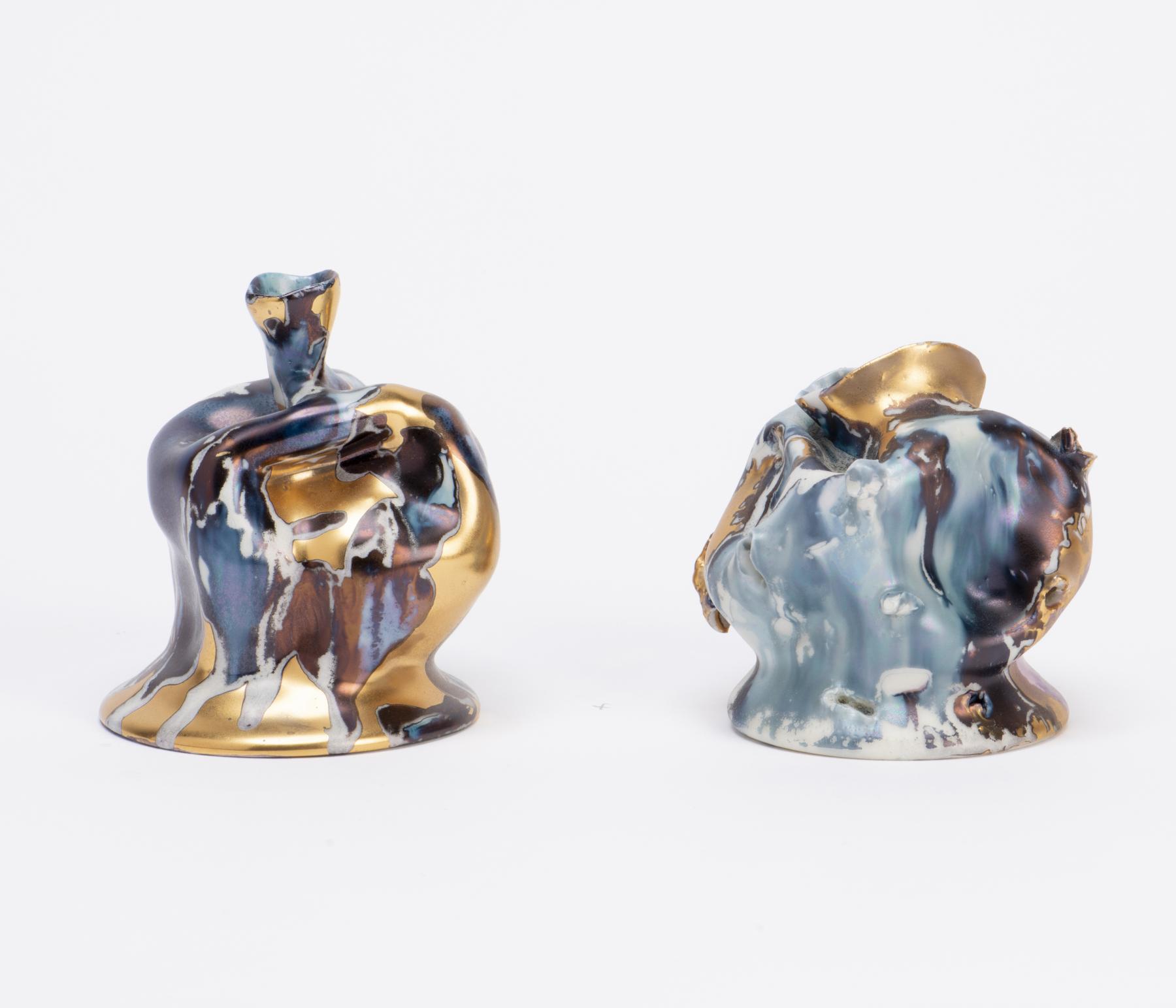
The glazes that artists use on their works speak to earth as well, such as ash glaze, one of the oldest glaze types, made from materials such as wood or straw.
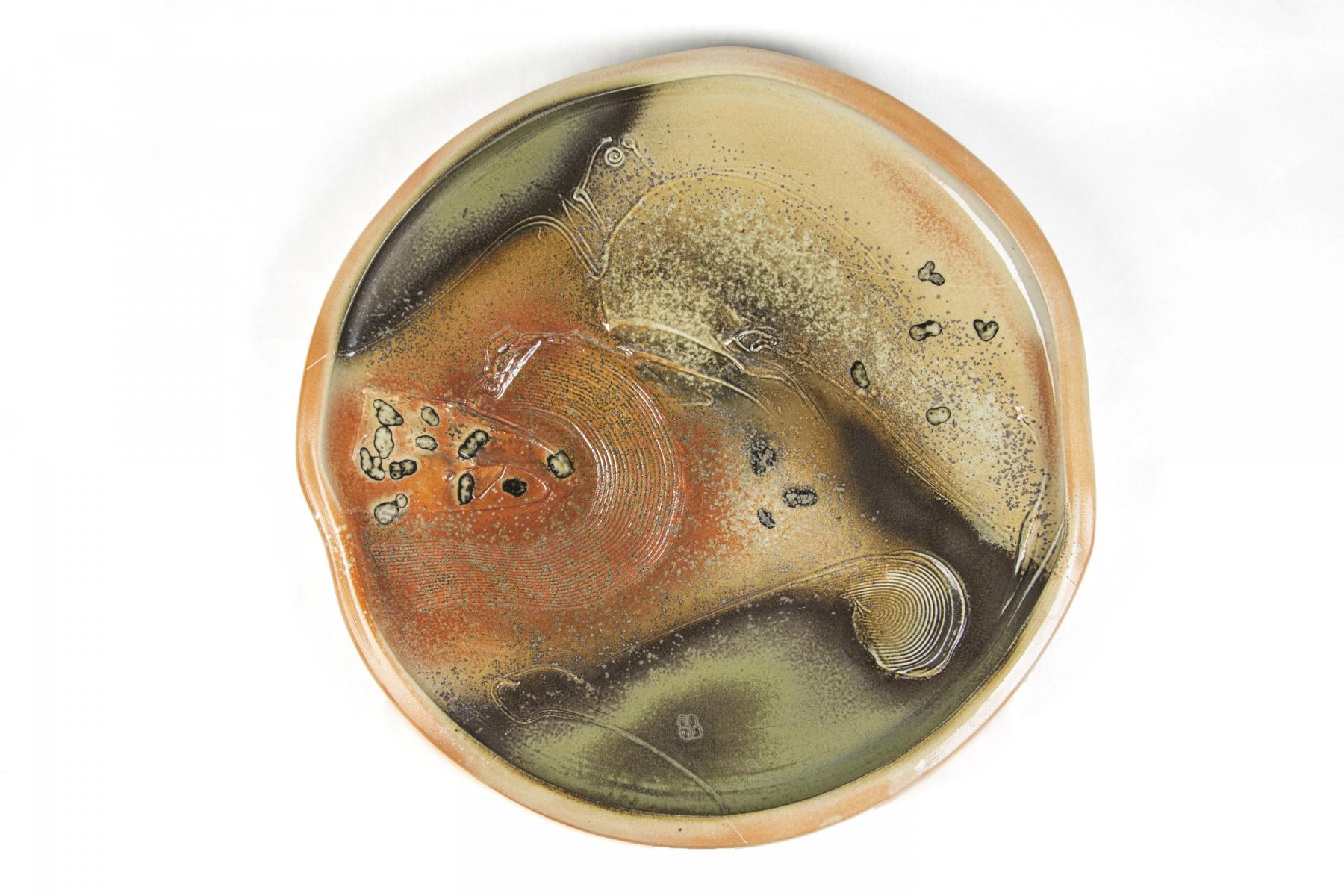
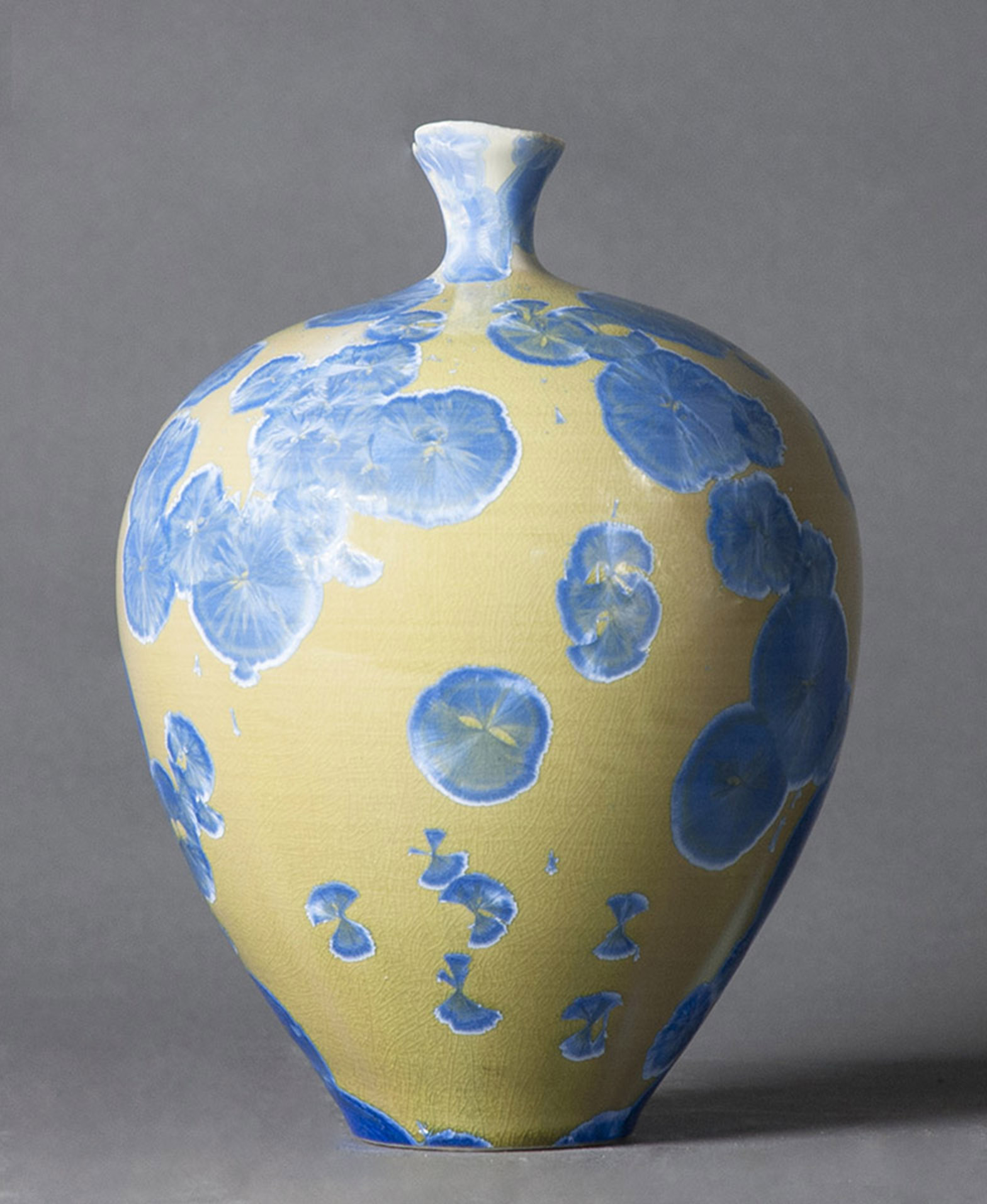
Fire is transformation, introducing chance to ceramics. Works such as those with crystalline glazes are produced during a slow-cooled, high temperature firing where crystals actually grow on the work.
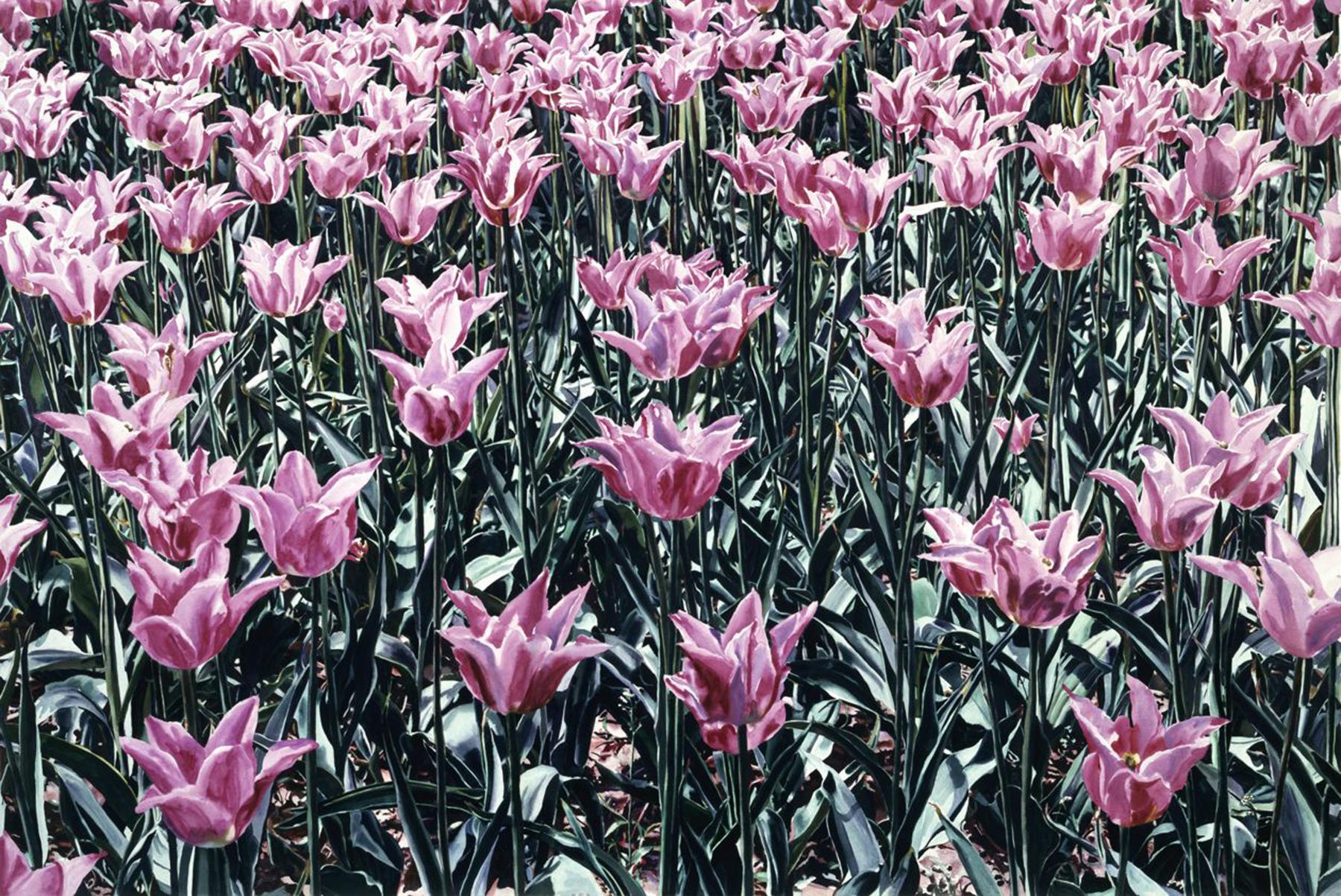
In water, grinding pigments with a binder creates a paint that's re-activated with water once again. Various artists have tested the limits of watercolor, including those who worked on a monumental scale.
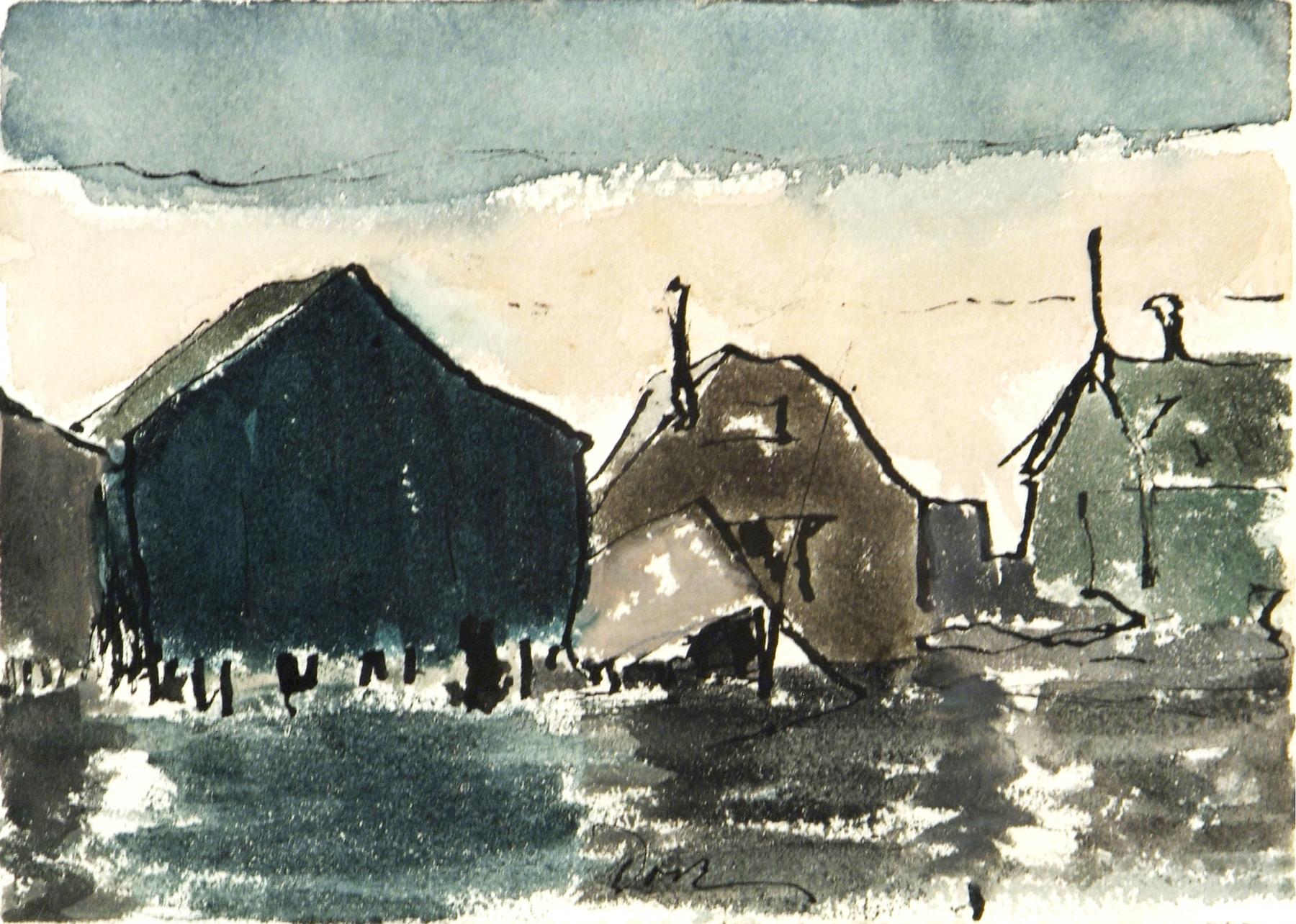
There are also those who experimented with layered washes and dry brush techniques.
This exhibit showcases CMA's strength in watercolor and ceramics with works pulled from our own collection. It highlights the various unique processes and materials of these works that are complicated and unseen, revealing the elements and creative forces behind them.
Images from top to bottom:
Don Pilcher, Too Sweet
Tom Coleman, Raised Lines Platter
Tony Menzer, Porcelain Vase
Carolyn Brady, Pink Tulip Field
Arthur Dove, Along Long Pier